Expert Tips for Efficient Dumpster Loading
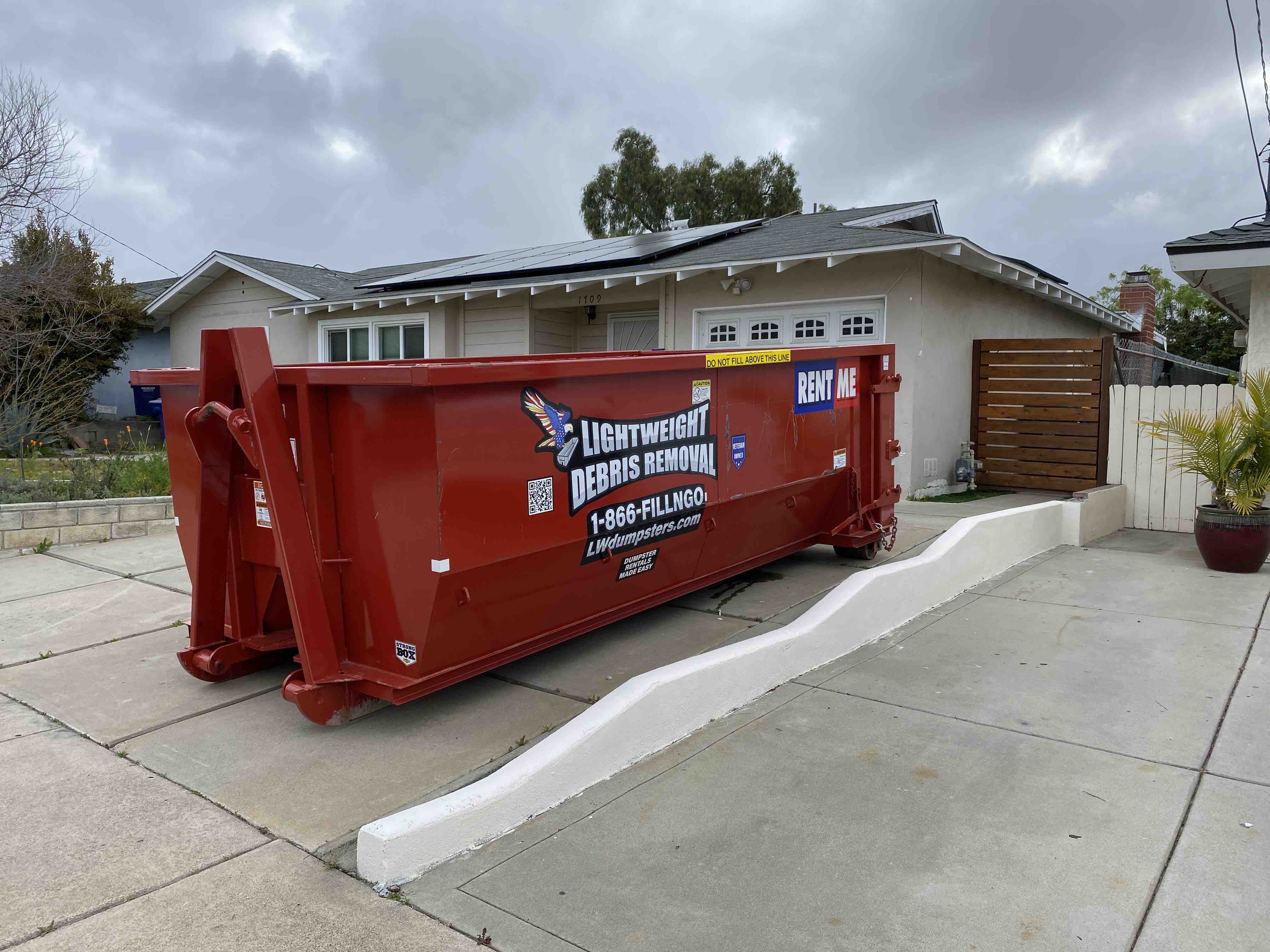
Whether tackling a renovation, cleanup, or building project, you might think dumpster loading is an easy step. But the way items are positioned affects how efficiently you use space, how safely you work, and how quickly you finish. Most people don’t realize how much strategy goes into correct dumpster loading, leading to wasted space, risks, and slower progress.
At Lightweight Debris Removal, we emphasize that proper dumpster loading is just as vital as choosing the right container size. A systematic method allows you to fully utilize your dumpster and maintain a safe work zone. We strive to help every customer make the best use of their dumpster service by teaching proper loading techniques that reduce mess, prevent breakage, and simplify disposal.
Planning Before You Start Loading
Prior to tossing any debris in, it’s crucial to plan ahead. Identify what materials you’ll dispose of and check if any can be recycled, reused, or need special handling. Sorting ahead of time promotes a smooth workflow and limits the need for reorganization later. It also makes handling safer by isolating hazardous or sharp materials.
Mapping out the order of loading matters just as much. Lay down the heaviest items first to create stability. Next, stack smaller items above to utilize all available room. A well-thought-out plan helps avoid imbalance and instability once hauling begins. Strategic organization leads to safer, faster, and more effective loading results.
Maximizing Dumpster Space
Effective space management is essential for optimal dumpster use. Break down bulky items such as furniture or large appliances before placing them inside. By flattening cardboard, detaching parts, and compacting items, you free up extra room. It helps you fit additional material without overcrowding or instability.
Layering materials is another useful trick for maximizing capacity. Lay heavy, flat items first to form a strong base. Continue with smaller, lighter waste to fill the cracks and corners. Keep the load within the dumpster’s limits to ensure safe transport. Smart layering boosts capacity and promotes a safer cleanup process.
Safety Best Practices for Dumpster Loading
Safety should be at the forefront during every loading task. Protect yourself with gloves, proper footwear, and durable clothing to avoid harm. Make sure your workspace is clear of debris or uneven ground before lifting. Being aware of your surroundings supports a safer environment for everyone involved.
Refrain from throwing objects into the dumpster carelessly, since this could result in shifting, accidents, or property harm. Handle items website with care and arrange them thoughtfully. If something is heavy or large, ask for assistance rather than risk injury. A mindful focus on safety safeguards your team and ensures smooth, efficient loading overall.
Efficiently Sorting and Arranging Materials
Sorting materials before and during dumpster loading is one of the best ways to maintain order. Separate different materials like wood, metal, and household refuse for easier management. Doing so not only streamlines the loading phase but also simplifies unloading and proper disposal. This organization helps identify recyclables and promotes environmentally conscious waste handling.
Keeping materials organized reduces the need to rearrange items once they’re inside. Place lightweight materials such as cardboard or fabric on top, while heavy objects go below. This method prevents wind from scattering light materials and keeps the dumpster balanced. Being organized saves time and creates a smoother, more professional workflow from start to finish.
Protecting Your Property During Dumpster Use
Dumpsters are durable, but the property underneath may need protection. Use wooden beams or other protectors beneath to reduce stress on driveways and pavements. Taking this measure prevents cracks, scratches, and wear during use.
Choosing the right placement location is just as important. Opt for a stable, easy-to-reach area that won’t obstruct entryways or paths. Avoid positioning the dumpster too close to structures or landscaping features that could be damaged. Proper planning and setup promote a damage-free and stress-free project environment.
Boosting Productivity on Large-Scale Cleanups
Big projects tend to generate constant debris that needs proper management. Set up a designated area to collect and organize debris before dumping it in. This keeps the dumpster evenly filled from front to back and minimizes later rearranging.
Teamwork and clear communication are essential to efficient operations. Divide responsibilities among your team to maintain consistent progress. When everyone knows their tasks, the process runs faster and stays organized. Planning and cooperation are vital for completing big projects without unnecessary setbacks.
What You Should Avoid Loading Into a Dumpster
Not all waste materials belong in a standard dumpster, and knowing what’s restricted is vital. Items such as toxic waste, chemicals, and electronic devices need regulated disposal. Dumping restricted materials risks pollution and additional disposal problems. Verify acceptable items beforehand to avoid penalties or issues.
Avoid exceeding the dumpster’s weight or fill limit to prevent safety risks. Overweight dumpsters can be unsafe and cause additional service fees. Staying within capacity ensures safety and compliance with waste standards. Being mindful of what and how much you load ensures smooth pickup and transport.
Choosing a Dependable Dumpster Rental Partner
Collaborating with a dependable provider makes any cleanup smoother and more efficient. Lightweight Debris Removal offers expert dumpster rental services designed for both homeowners and contractors. We ensure on-time delivery, responsive assistance, and easy pickup for every customer.
Selecting a customer-focused company enhances your rental experience. Prompt support, transparency, and reliability help maintain project flow. Lightweight Debris Removal is devoted to helping clients achieve organized, secure, and efficient results through expert guidance and responsible use.
Maintaining a Clean and Efficient Project Site
The way you load your dumpster can significantly affect project performance. Keeping order at the site minimizes distractions and enhances coordination. Through planning and efficient methods, you’ll complete jobs faster and cleaner.
Lightweight Debris Removal reminds customers that dumpster loading is about more than getting rid of waste. It’s a chance to boost safety, save time, and protect your surroundings. With proper organization, attention to detail, and dependable support, efficient loading becomes key to project success.